


Users Rating (1)
- overall3
- tactical competence: how effectively does the commander make operational decisions during missions or exercises? are they tactically sound and capable of leading during high-pressure situations?3
- decisiveness: does the commander make timely and effective decisions? are they able to assess situations quickly and act without hesitation when necessary?6.5
- judgment and foresight: does the commander demonstrate good judgment and the ability to foresee potential issues or opportunities in strategic planning?0.5
- clarity of communication: how well does the commander communicate orders, goals, and expectations? are they clear and concise in their instructions?0.5
- openness to feedback: does the commander listen to subordinates, take feedback into consideration, and foster open communication within the unit?4
- transparency and honesty: are they transparent in their communication with the team and honest about challenges and changes?3.5
- motivational ability: can the commander inspire and motivate their troops, especially in challenging times? do they foster a positive environment and uphold unit morale?3.5
- cohesion and teamwork: does the commander promote teamwork and unity within the unit? are they effective in managing diverse personalities and ensuring that everyone works together toward common goals?3.5
- conflict resolution: how effectively does the commander manage conflicts or disputes within the unit? are they fair and impartial when resolving issues?0.5
- ethical conduct: does the commander uphold military ethics and adhere to the code of conduct? are they known for fairness, respect, and accountability in their leadership?0.5
- responsibility and accountability: do they take responsibility for their actions, including mistakes, and hold themselves accountable for the outcomes of their decisions?0.5
- respect for others: do they treat subordinates, peers, and superiors with respect? are they inclusive and mindful of diversity within the ranks?1.5
- mission execution: how successful is the commander in executing missions and operations? are their strategies effective, and do they achieve objectives efficiently?6
- adaptability under pressure: how well does the commander adapt to changing or unexpected circumstances during operations? are they flexible and capable of recalibrating plans when necessary?5
- resource management: is the commander effective in managing resources (personnel, equipment, time) during both training and operations? are they efficient in utilizing what’s available to maximize effectiveness?4.5
- mentorship: does the commander invest in the growth and development of their subordinates? are they approachable and proactive in mentoring future leaders?1.5
- skill development: does the commander focus on the ongoing development of skills within the team? do they provide opportunities for training and improvement?1.5
- readiness and preparedness: does the commander maintain a high level of readiness within the unit? are they proactive in preparing the team for future challenges and missions?6.5
- risk assessment: how well does the commander evaluate and manage risks? are they able to balance mission success with the safety of their personnel?6.5
- courage under fire: does the commander demonstrate courage and composure under direct threat or in dangerous situations? are they known for leading by example in high-stakes moments?1.5
- long-term planning: is the commander skilled at creating long-term strategies and aligning their unit with broader military goals and objectives?1.5
- innovation and creativity: do they bring innovative approaches to problem-solving and mission planning? are they open to new ideas and methods to improve unit performance?0.5
- physical fitness: is the commander fit for duty, setting an example for their troops with their physical condition and endurance?0.5
- stress management: can the commander handle stress effectively without letting it impact their decision-making or interactions with the team?0.5
- fairness in discipline: how fairly does the commander apply rules and discipline within the unit? are they known for treating everyone equally, regardless of rank or personal bias?1
- enforcing standards: does the commander maintain high standards of professionalism, conduct, and performance within their unit?4.5
- recognition of achievements: does the commander acknowledge and reward good performance within their unit? do they provide recognition for accomplishments?8.5
- work-life balance: is the commander mindful of the well-being of their subordinates in terms of work-life balance, particularly in non-combat settings?5
Sort by
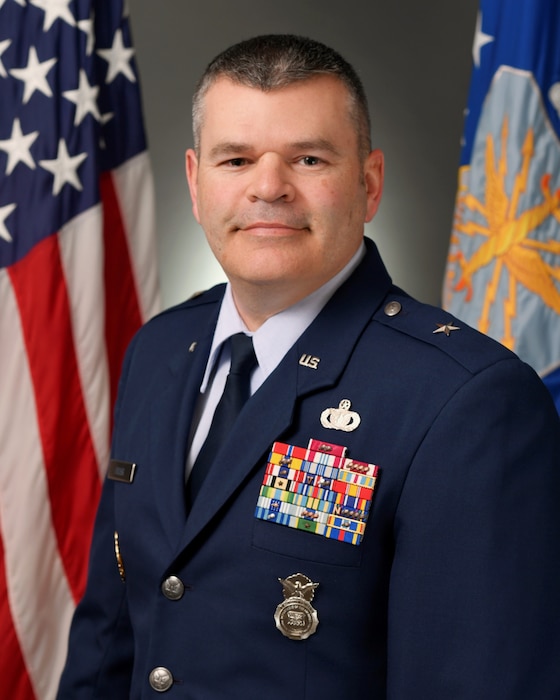
Col Filler is a Security Forces member, and when he was the commander of the 501 CSW, he would violate his own regulations and yell at SF guards who were only doing their job. Col Filler would bring people on base as their escort, drive them onto installation, then leave them alone or with non escort personnel and go off base to collect more people to escort on. When one of our personnel highlighted to him that he was in violation of the reg, he said "Do you know who I am? I signed the reg". He was rude and belligerent to our personnel. And he became so upset at being called out that our commander had to come to the gate and calm him down. Afterwards, our leadership told us to let Col Filler have his way to avoid any more issues with him. He would also demand post briefs be offered in his car instead of getting out to do so, which is what is directed in the reg. In my opinion, a man of this demeanor should not be in a position of power in Security Forces, because he does not respect his personnel or the job they do. Col Filler was frequently rude and unprofessional in his behavior towards SF people personnel. Unfortunately, though these concerns were routed, nothing could be done due to leadership worrying it would cause issues for themselves or issues with him.